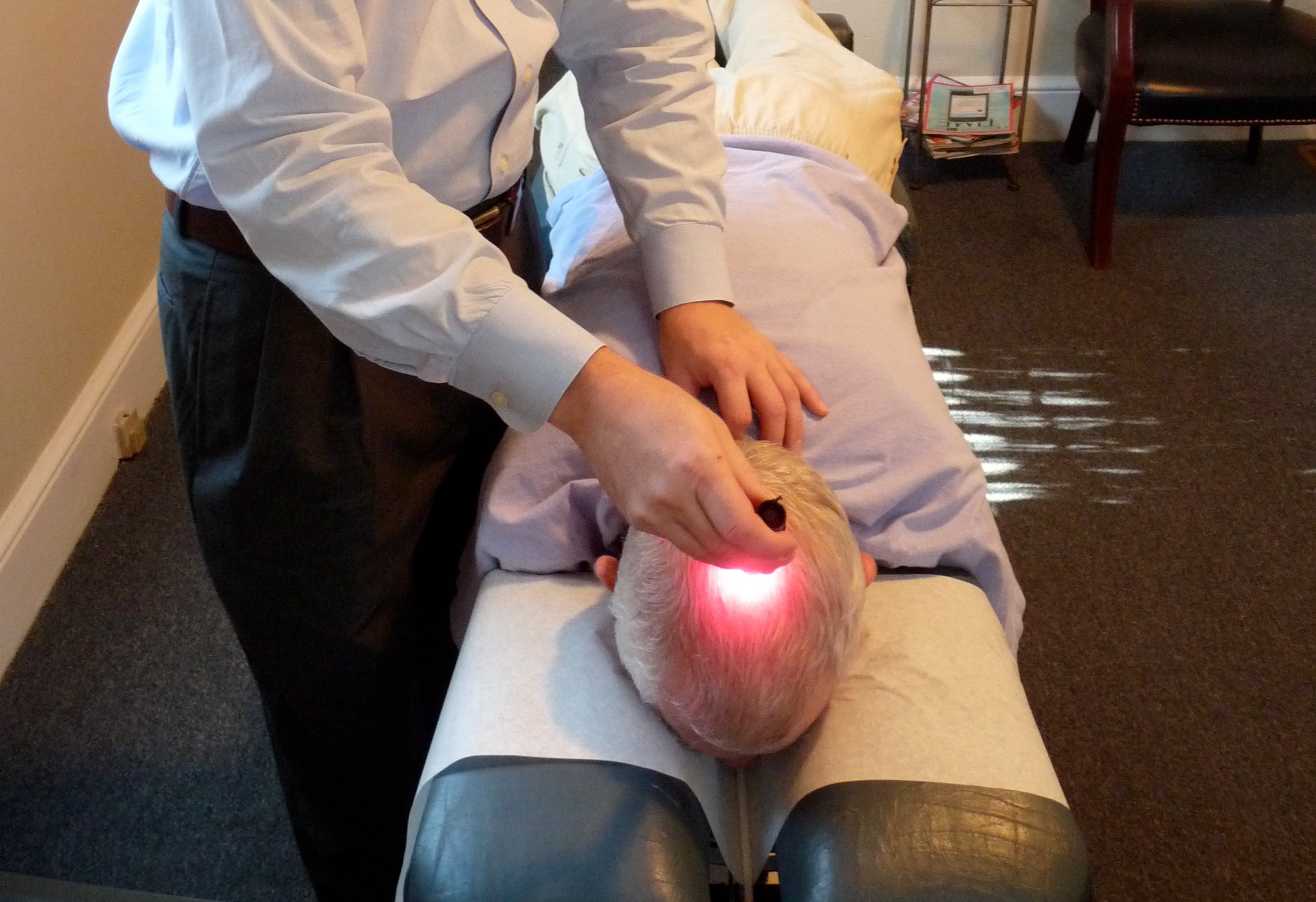
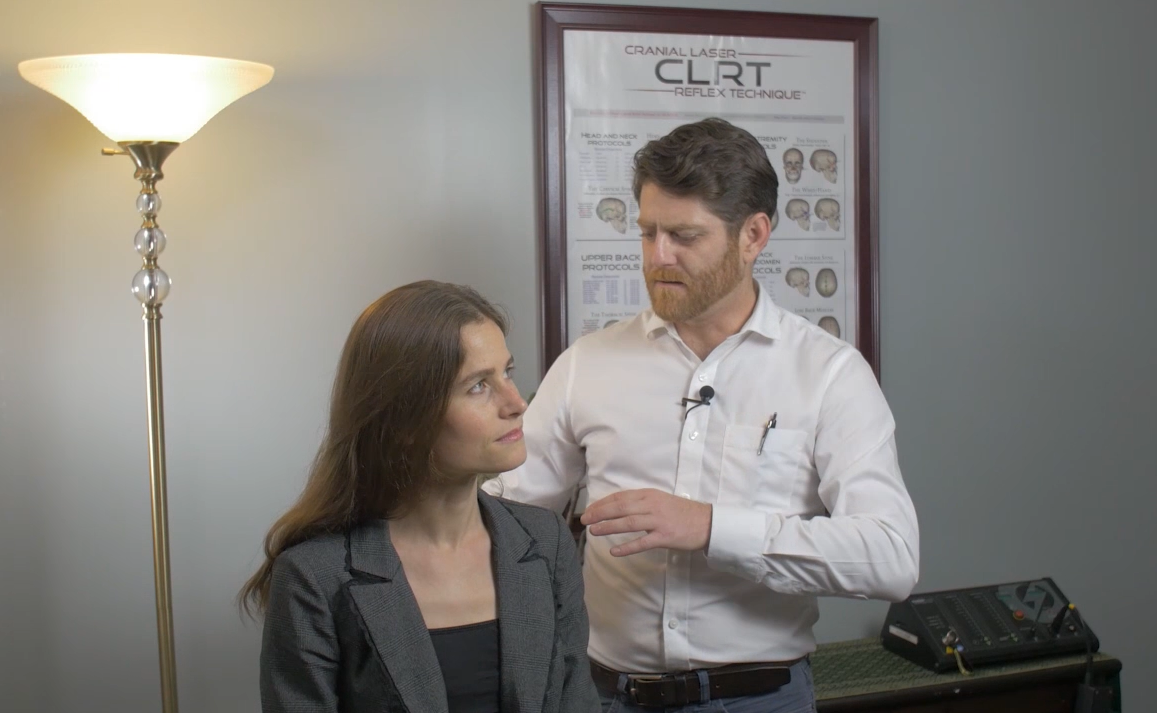
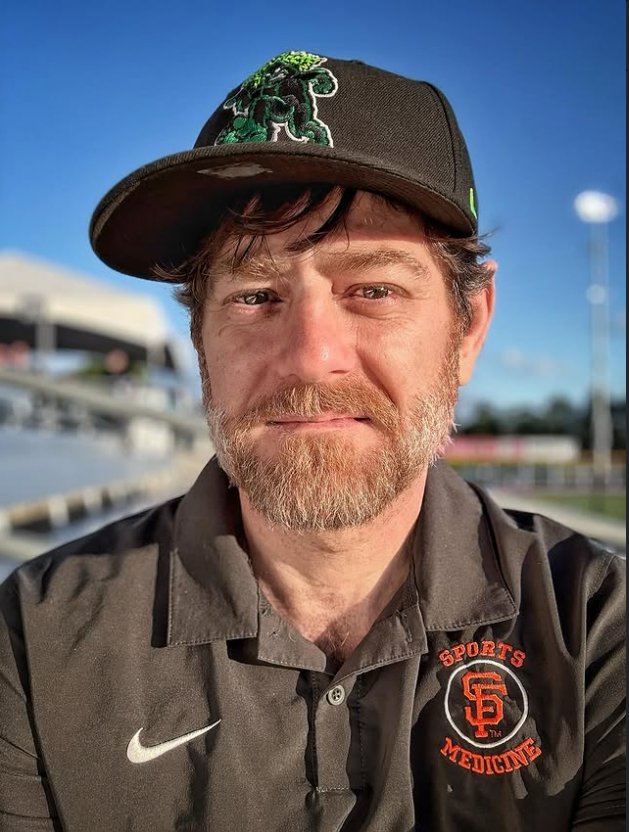
Dr. Nick Wise is a researcher, NIH postdoctoral fellow, professor, and developer of CLRT — a technique he invented and teaches to doctors worldwide. His boutique Pearl District practice specializes in the cases that haven't responded to anything else.
Most patients arrive here after a long road. Multiple providers, temporary relief, no lasting change. Someone finally said "the imaging looks fine" or "you may just have to manage this" — and something in you refused to accept that.
That instinct is correct. Chronic pain that outlives its original injury isn't a character flaw or a mystery. It's a nervous system that has learned the wrong lesson and hasn't been shown how to unlearn it. That is a solvable problem.
"I've been told my pain is something I'll just have to live with" usually means the practitioner ran out of ideas — not that the pain is unresolvable.
Dr. Wise combines 25 years of clinical pattern recognition with a research background that most practitioners in this field have never encountered. He finds what other people miss. That's not a marketing line — it's what the reviews keep saying, independently, over and over.
Book a first visit →You'll know everyone here before your second visit. That's intentional.
Second-generation chiropractor. NIH postdoctoral research fellow — the first chiropractor ever accepted into that program. Developer of Cranial Laser Reflex Technique, taught to hundreds of practitioners worldwide. Professor at University of Western States. 25 years in the Pearl District.
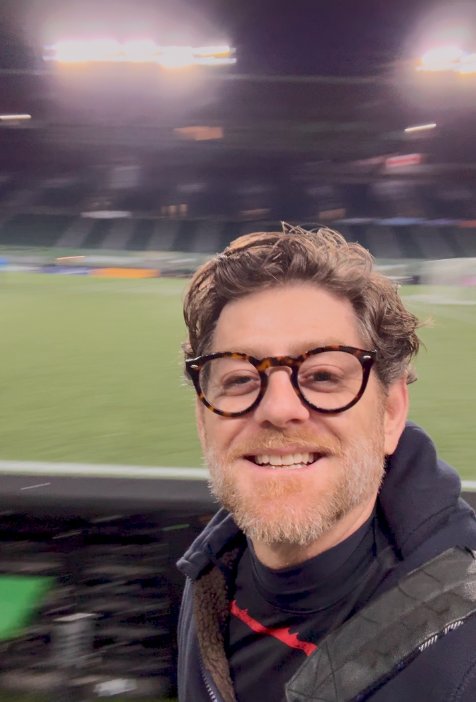
Also a competitive soccer player, DJ, guitarist, and father of three grown-ass children back east. Frequently called a sorcerer. Not offended by it.
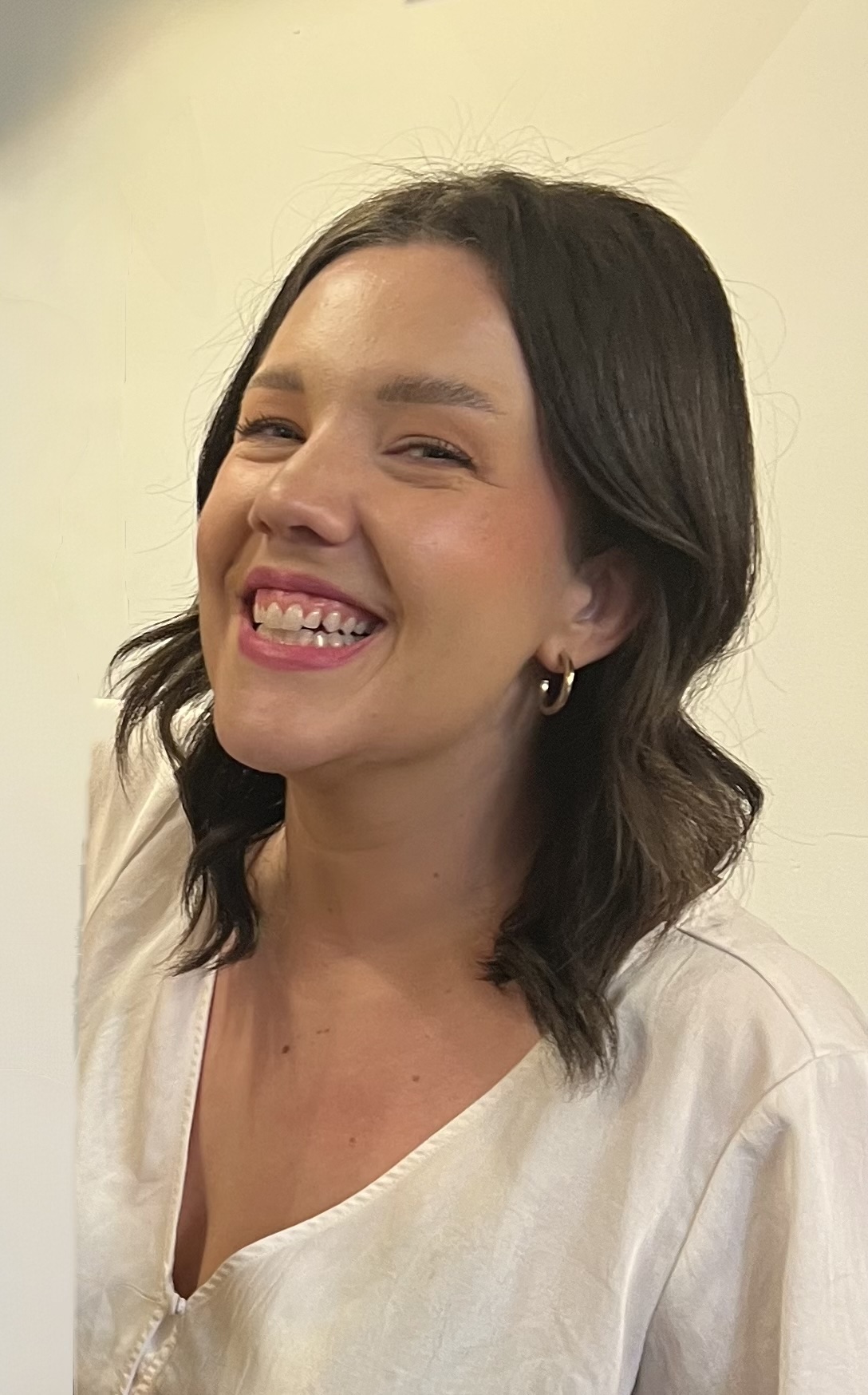
Cate has been practicing massage and manual therapy since 2019, with a kinesiology background that grounds her work in a genuine understanding of how bodies move and hold tension.
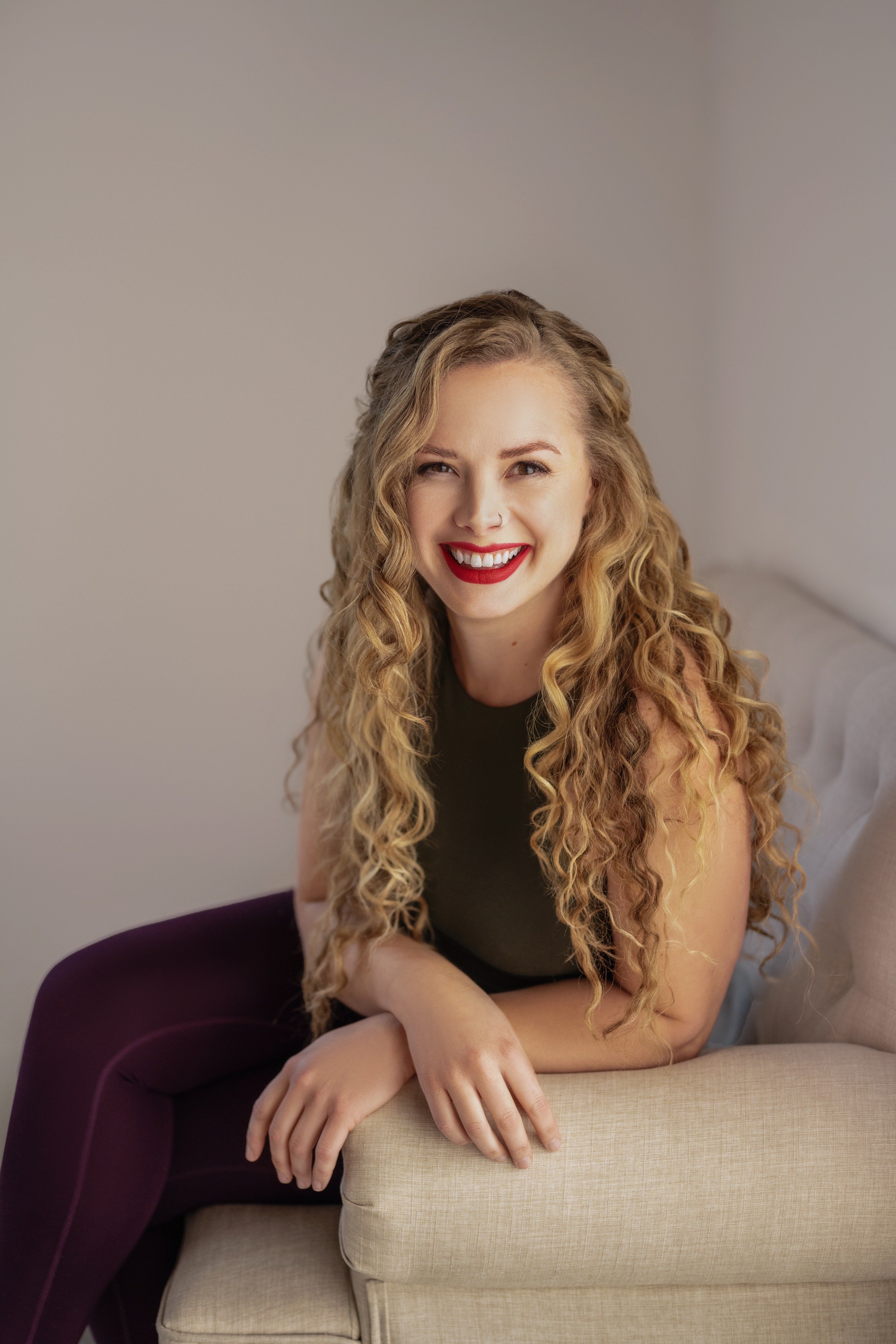
She specializes in supporting people who put their own needs last — helping them reconnect with their bodies, understand their patterns of tension, and build toward sustainable healing. Her work is about developing real agency in how you feel.
If you've called the office, Kelsey answered. If your appointment went smoothly, Kelsey made that happen. If you've ever felt immediately at ease walking in — that's also Kelsey.
Multiple reviews mention her by name, unprompted. She's the operational heart of the practice. Questions about scheduling, insurance, what to expect — she has the answers and the patience for all of them.
This isn't a volume practice. There's no assembly line, no rushed slots, no poster of a spine in the lobby. It's a carefully kept boutique practice where Dr. Nick knows every patient by name, injury, instrument, and in several cases, jersey number.
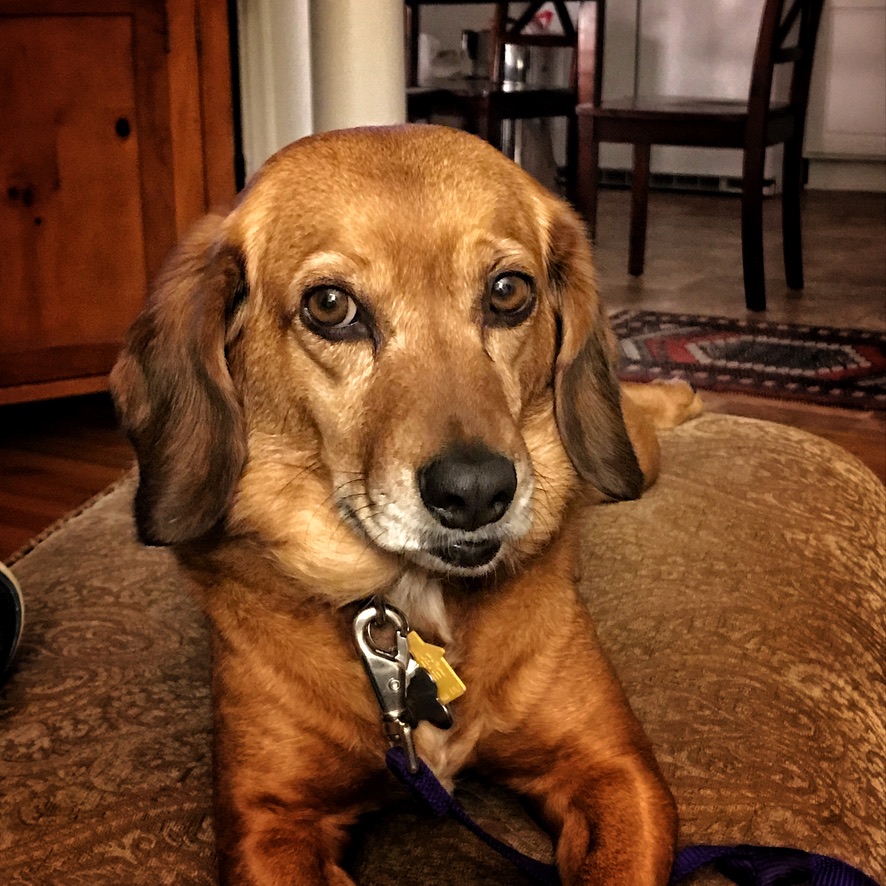
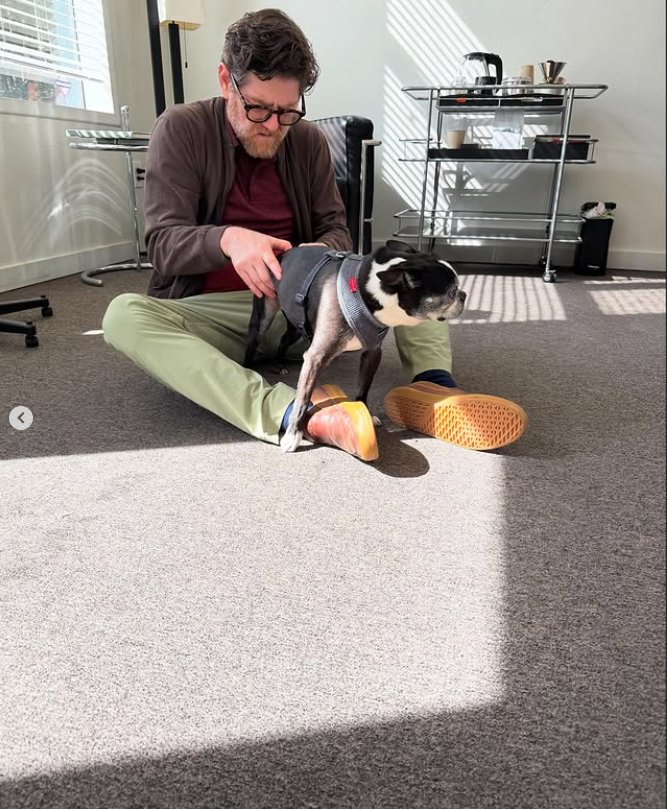
The music is good because he picks it. The dogs are welcome because life is better with dogs in it. The pricing reflects the rarity of what's on offer — not just the years, but the specific combination of research depth, clinical intuition, and a technique nobody else has.
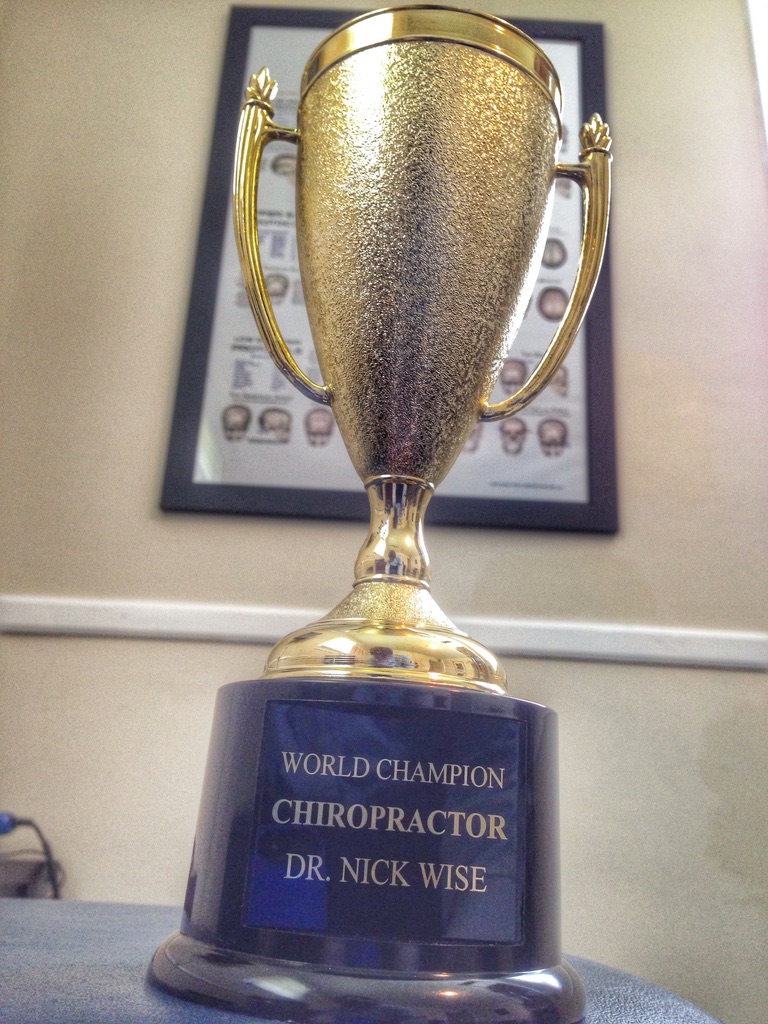
Patients call him a sorcerer. He prefers pain detective with an overpowered CV. He'll accept either.
Chiropractic and massage therapy. New patients welcome. Same-week appointments often available. Dogs encouraged.
A number of patients travel specifically to see Dr. Wise — from other states, and occasionally other countries. If you're considering it, here's everything you need to plan your visit.
Motor vehicle accidents create a specific and often underestimated category of injury. The forces involved — even in low-speed collisions — can cause soft tissue damage, spinal dysfunction, and neurological disruption that doesn't show up on standard imaging and doesn't announce itself immediately.
Many MVA patients feel "okay" for the first 24–72 hours. Then the inflammation sets in. The whiplash patterns emerge. The headaches start. The neck stiffens. By the time most people seek help, the injury has already begun establishing the compensatory patterns that become chronic pain.
Dr. Wise's neurological approach is particularly well-suited to MVA injury. CLRT and precise spinal adjustment address the nervous system dysregulation that standard soft tissue treatment misses — which is why MVA patients who have already done PT and massage without resolution frequently find the missing piece here.